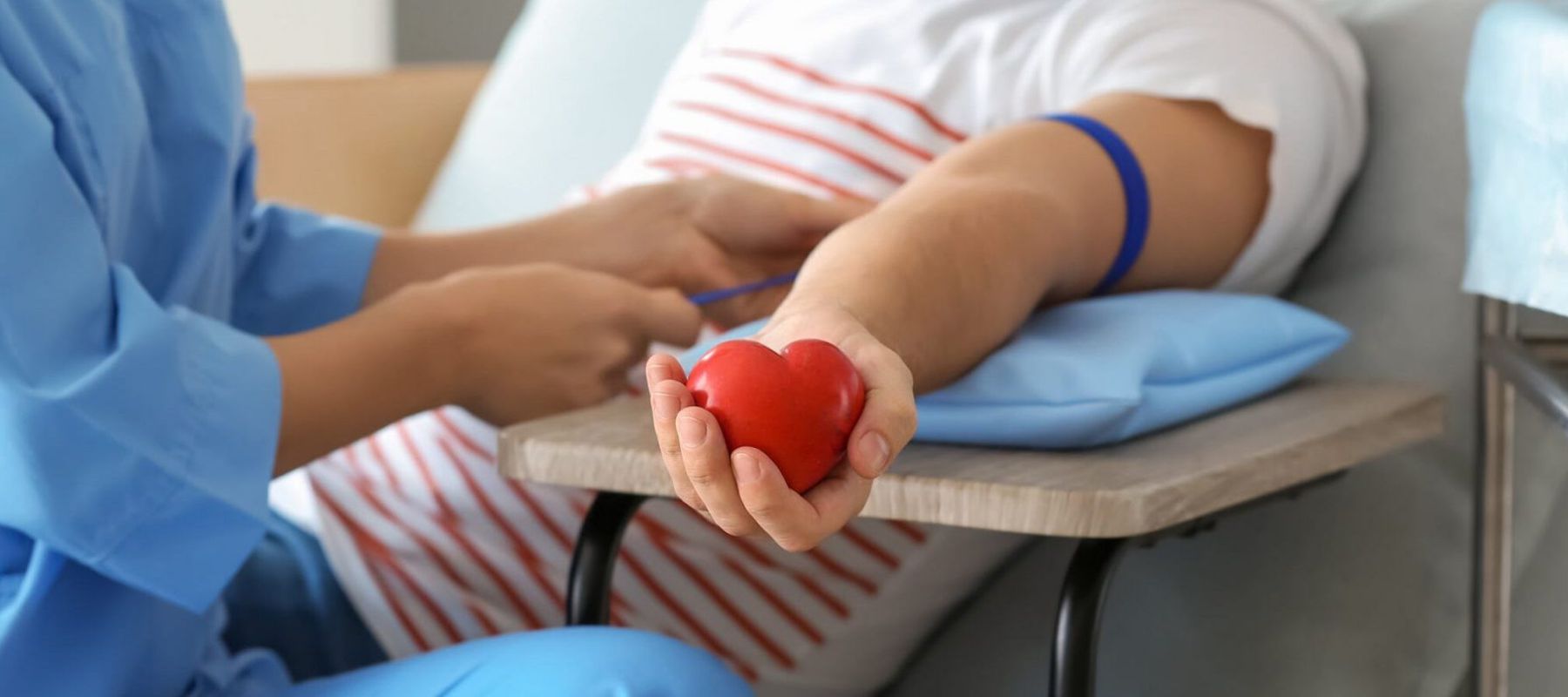
How to Prepare for a test?
You need to prepare before test ( depend on type of the test ) for better / precise results.
- Fasting Blood Sugar (FBS) Test
- Oral Glucose Tolerance Test (OGTT)
- Lipid Profile
- Insulin
Please ensure that you DO NOT consume any food or beverage for 12 hours (with the exception of plain water). If you only require the FBS Test, a 10 hour fasting period is sufficient. It is advisable to schedule the test as the first thing in the morning in order to avoid fasting during the day. Eg:- Have your final meal for the day by 8.00 pm ad schedule the test to be done at 8.00 am the following morning
This test is conducted following a 2 hour fasting period. Please ensure that you DO NOT consume any food or beverage (with the exception of plain water).
The following instructions must be followed:
- Pass stool into a clean wide container.
- Transfer a sufficient portion of the stool sample into the sterile container provided by the Melsta Laboratories Collection Centre closest to you.
- Seal the container tight using the provided lid and ensure it is seal well.
- Transport the sample to the nearest Melsta Laboratories collection centre without delay or contact our home visit service to arrange a pick – up.
You are advised to collect the sample of urine using the "clean-catch" technique:
Female
- Wash the area between the vaginal ‘lips’ (Labia)
- Sit on the toilet with your legs spread apart and use two fingers to spread open your labia.
- Use the first wipe to clean the inner folds of the labia. Wipe from the front to the back.
- Use a second wipe to clean over the opening where urine comes out (Urethra) located just above vaginal opening.
- Urinate a small amount into the toilet bowl while keeping your labia open and then stop the flow of urine.
- Hold the urine cup a few inches (or a few centimetres) away from the urethra and urinate until the cup is approximately half full.
- You may finish urinating into the toilet bowl.
- Transport the sample to the nearest Melsta Laboratories collection centre without delay or contact our home visit service to arrange a pick – up.
Male
- Clean the head of the penis with a sterile wipe. If you are not circumcised, you will need to pull back (Retract) the foreskin of the penis first.
- Urinate a small amount into the toilet bowl and then stop the flow of urine.
- Collect urine into the sterile cup until it is approximately half full.
- You may finish urinating into the toilet bowl.
- Transport the sample to the nearest Melsta Laboratories collection centre without delay or contact our home visit service to arrange a pick – up
This is used to evaluate diabetic patients and to assess the potential of early onset of nephropathy before overt proteinuria develops. Here, a second morning urine collection is performed. The patient must rest prior to the collection of the sample.
Urine is collected over a 24 hour period into a can provided by us. You will be instructed by the staff at the Melsta Laboratories collection centre on the requirement to be met in order to complete the test, including substances to be avoided. Eg:- The patient should strictly avoid alpha-methyldopa, buspirone, codeine, isoproterenol metabolite, Mandelamine, L dopa, paracetamol, metoclopramide, pepper, alcoholic beverages, tea/coffee tobacco and strenuous exercise at least 72 hours prior to and during specimen collection.
Thirty minutes of rest is required prior to the collection of the blood sample. It is advisable to adhere to a low carbohydrate level diet along with a normal salt diet (3g/day) for at minimum duration of 2 weeks prior to the test. Adhere to this diet 30 days prior to the test if possible. Do not consume liquorice for a minimum of 2 weeks prior to the test.
This test is conducted twice a day; first at 8.00 am when the cortisol levels are at its peak followed by the second testing at 4.00 pm when the cortisol levels are much lower. The test can be conducted with either a urine or saliva test.
OGTT is used to diagnose diabetes mellitus where random or fasting plasma glucose concentration is inconclusive in reaching a diagnosis. This test is also used during pregnancy to diagnose gestational diabetes (GD1v1) in women who are in a high-risk group during this period. Patient preparation requirements:
- Three days of unrestricted, carbohydrate rich diet and activity.
- No medication to be taken on the day of the test.
- A 10 to 12 hour fasting is required. Please ensure that you DO NOT consume any food or beverage (with the exception of plain water)
- After taking the first blood sample is drawn, 75g of glucose dissolved in 300 ml of water is given (In line with the doctor’s orders).
- Take the second blood sample an hour after the glucose intake.
- Take third blood sample two hours after the glucose intake and the fourth sample three hours after the glucose intake.
- The patient must remain at the hospital premises till the test is concluded.
OGTT is used to diagnose diabetes mellitus where random or fasting plasma glucose concentration is inconclusive in reaching a diagnosis. This test is also used during pregnancy to diagnose gestational diabetes (GD1v1) in women who are in a high-risk group during this period. Patient preparation requirements:
- Three days of unrestricted, carbohydrate rich diet and activity.
- No medication to be taken on the day of the test.
- A 10 to 12 hour fasting is required. Please ensure that you DO NOT consume any food or beverage (with the exception of plain water)
- After taking the first blood sample is drawn, 75g of glucose dissolved in 300 ml of water is given (In line with the doctor’s orders).
- Take the second blood sample an hour after the glucose intake.
- Take third blood sample two hours after the glucose intake and the fourth sample three hours after the glucose intake.
- The patient must remain at the hospital premises till the test is concluded.